About
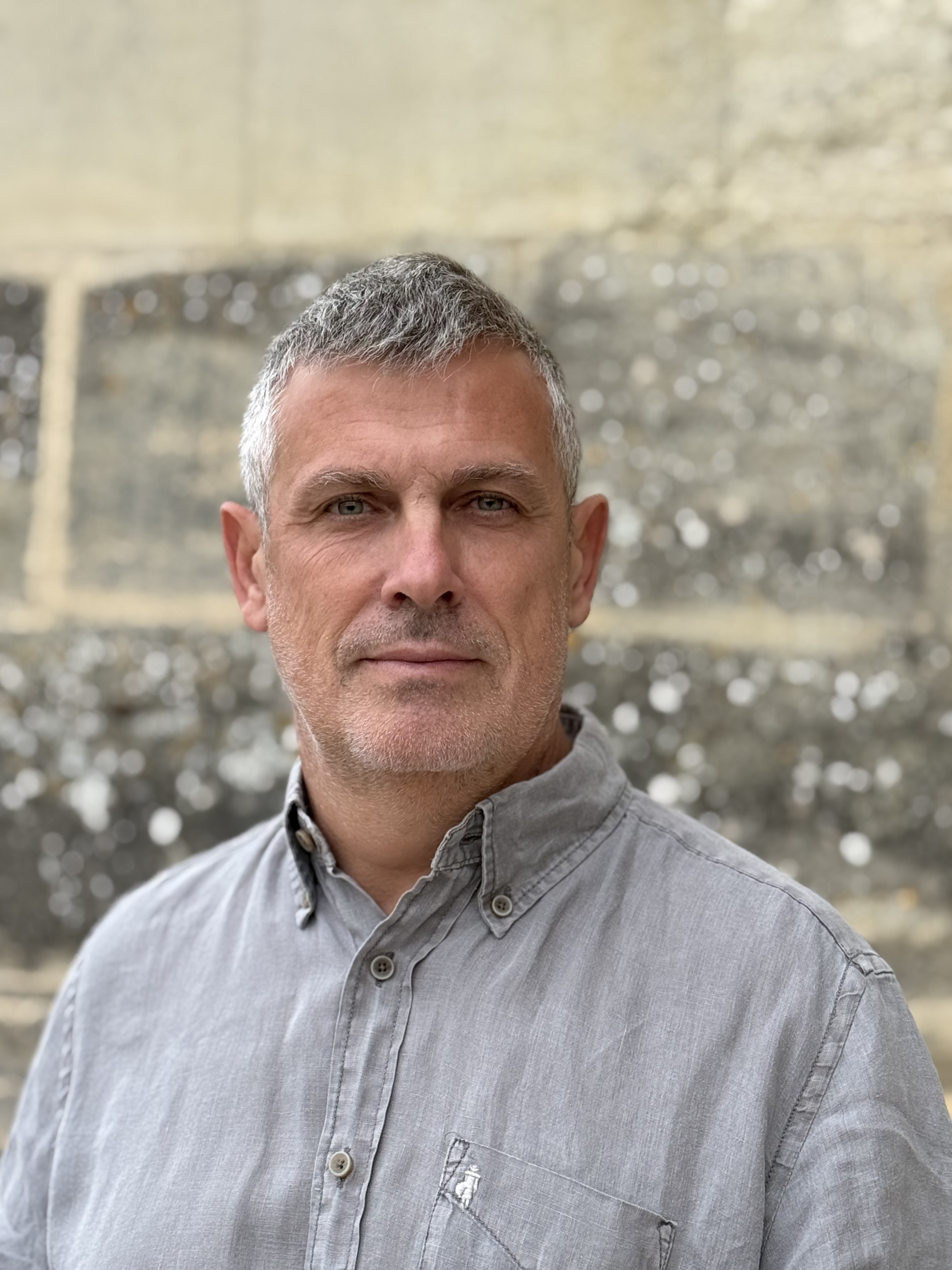
Cyril Goulenok
Cyril Goulenok has practiced, since November 2004, as an intensive care physician within the Intensive Care Medicine department of the Institut Hospitalier Jacques Cartier, in Massy. His clinical career — in medical intensive care, notably as a chief resident at Hôpital Cochin — was joined, from the 2020s onward, by an academic path in philosophy: a master’s degree in medical and hospital ethics, followed by a doctorate in practical philosophy devoted to the ambivalence of artificial intelligence in intensive care.
He is a member of the Biomedical Ethics Scientific Committee at the Collège des Bernardins, where he takes part in the ‘Medicine and Ideology’ seminar, and has chaired or led several ethics and research bodies in intensive care, including the SRLF Ethics Committee and the National First-Instance Committee in Medical Intensive Care. His work, published in international journals (Intensive Care Med, Lancet Respiratory Medicine, Annals of Intensive Care) as well as in the general press (Le Monde), addresses medical decision-making, the burden of responsibility, and the integration of AI into care.
Timeline
Milestones
- Since 2004Intensive care physician, Institut Hospitalier Jacques Cartier, Massy
- 2012–2023Member of the National First-Instance Committee in Medical Intensive Care
- 2019–2023Member of the SRLF Ethics Committee
- 2021–2025Doctorate in practical philosophy, Université Gustave Eiffel
- EducationExecutive master’s, Sciences Po — Health policy and management; University diploma in AI applied to healthcare, Université Paris Cité
- TodayMember of the Biomedical Ethics Scientific Committee, Collège des Bernardins
Publications & op-eds
Published research
Cyril Goulenok has published around twenty scientific articles in international journals, several chapters in collective works on ethics in intensive care, as well as op-eds in Le Monde. Four publications summarize the thread of his thinking on AI in intensive care:
-
Intensive Care
Medicine, 2025Stop asking if AI will replace ICU doctors
With Nancy Kentish-Barnes and Wulfran Bougouin. Rather than the question of replacement, a framework for classifying the intensivist’s tasks according to whether they are cognitive or manual, predictable or not — to anticipate which ones AI will take over.
-
Médecine Intensive
Réanimation, 2024Introduction aux enjeux éthiques de l’IA en réanimation
A reference article co-written with eleven intensivists, structuring the ethical challenges of AI around four pillars: data, algorithm, patient, and caregiver.
-
Médecine Intensive
Réanimation, 2026L’IA et la QVcT en réanimation, un mariage pour le meilleur et pour le pire ?
With Frédéric Jacobs. How AI can both ease the workload and broaden caregivers’ skills — or, conversely, erode the meaning of the profession if its integration is not carefully thought through.
-
Médecine Intensive
Réanimation, 2022La décision médicale en réanimation, un indispensable fardeau
The founding article of the concept of technosophy: neither technophobic nor technolatrous, a third way of thinking about the place of technology in medical decision-making — the conceptual matrix of the forthcoming book.
Collective works
Chapters & contributions
Cyril Goulenok has contributed to several collective works devoted to the ethics of care and the place of the human factor in healthcare.
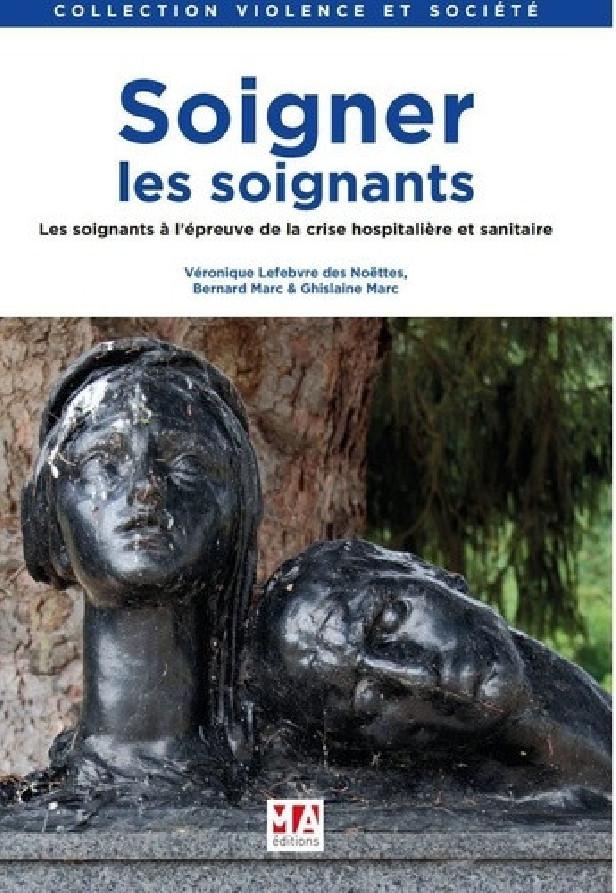
Soigner les soignants
Véronique Lefebvre des Noëttes, Bernard Marc & Ghislaine Marc — MA Éditions
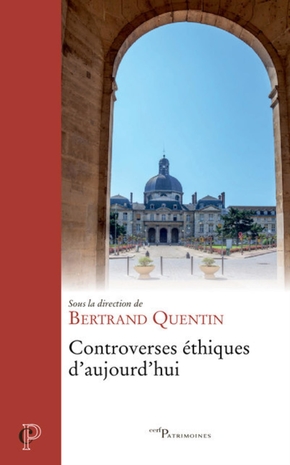
Controverses éthiques d’aujourd’hui
Edited by Bertrand Quentin — Cerf Patrimoines
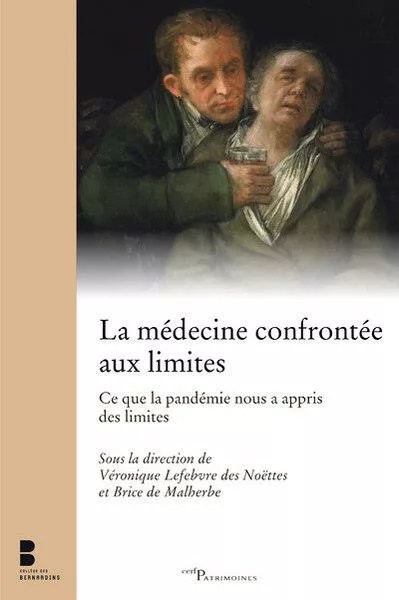
La médecine confrontée aux limites
Edited by Véronique Lefebvre des Noëttes and Brice de Malherbe — Collège des Bernardins / Cerf Patrimoines
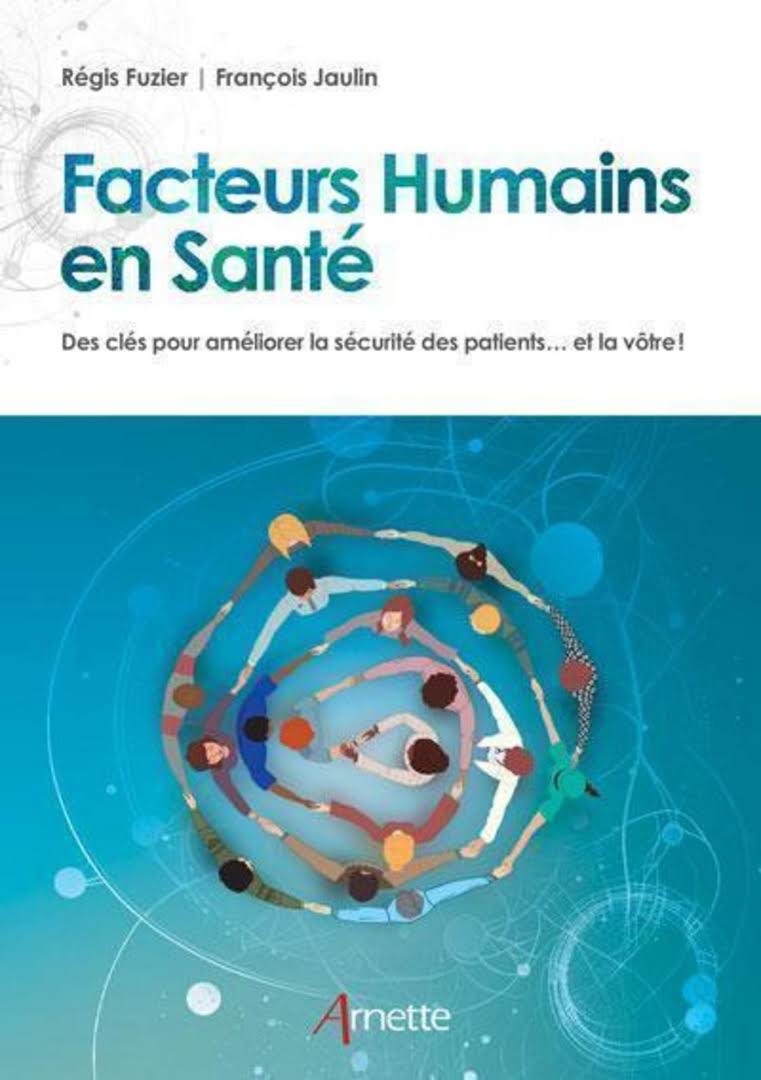
Facteurs Humains en Santé
Régis Fuzier & François Jaulin — Arnette
AI does not replace the clinician: it expands his skills and autonomy. « L’intelligence artificielle et la QVcT en réanimation, un mariage pour le meilleur et pour le pire ? », Médecine Intensive Réanimation, 2026

